












Tourism may seem straightforward. You have something beautiful. People come to see it. You take their money.
But speak to anyone who runs a tourism business, and they’ll likely laugh. Then they’ll tell you about permits, porters, seasonality, and the curious fact that sometimes your best customers are those who never want to leave.
Real tourism isn’t an industry. It’s a collection of brilliant, local hacks. It’s the art of building a reliable business in a place that was never meant for one. To illustrate this diversity, here are five places that figured it out, each in a completely different way.
Mexico and the Perfect Bubble
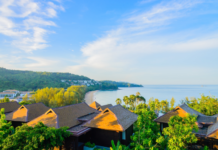
Drive down the coast from Cancun, and you’ll see it. Miles of perfect beachfront, broken up by walls. High walls. Behind them are pools, bars, restaurants, and rooms. Everything is branded. This is the all-inclusive resort model, perfected by companies like Grupo Vidanta.
The innovation was not the beach itself, but the bubble. They saw that for many travelers, choice is a source of stress. Deciding where to eat, how to get there, and how much to spend is work. So, they removed it. One price covers everything. The business is about predictability and control. The guest trades the authentic unpredictability of a foreign country for the serene, predictable comfort of a manufactured paradise. This model succeeds because it solves a simple human problem: the fear of a bad meal ruining an expensive vacation.
Rwanda and the Very Expensive Hour
In the misty hills of Volcanoes National Park, a small group of people will pay more than $1,500. Not for a week. For one hour. One hour in the presence of a mountain gorilla family.
Rwanda’s model is the opposite of Mexico’s bubble. It is brutal, intentional exclusivity. The high cost of the permit does three things. First, it limits the number of people, protecting the gorillas from stress. Second, it pays for itself by funding ranger patrols that stop poachers and community projects that make locals value living gorillas more than dead ones. Third, it creates a myth. It makes the experience legendary precisely because it is so hard to get and so costly. They don’t sell tours. They sell a rare, ethical privilege. It’s a lesson in how high cost, when linked to high purpose, can become your most powerful marketing.
Alaska and the 8-Hour Town
Imagine your entire economy runs on a daily alarm clock. At 7 a.m., a floating city of 3,000 people docks in your town. By 4 p.m., they must all be back on board.
This is Juneau, Alaska, in the summer. Businesses there have mastered the art of the timebox. A jewelry store knows the peak foot traffic is between 10:30 and 2. A salmon bake coordinates bus schedules with ship arrivals. The entire town becomes a stage for a daily performance. The product isn’t just a souvenir or a meal. It’s a smooth, memorable experience that fits perfectly into a cruise passenger’s tight schedule. The business model is logistical choreography. It’s about revenue per hour, not per night.
Portugal and the Forever Tourist
A few years ago, Portugal made a quiet, insightful pivot. They saw a new kind of traveler was emerging: one with a laptop, not a guidebook. Someone who values a WiFi password over a museum pass.
They launched digital nomad visas. Suddenly, they weren’t just competing for a one-week holiday. They were recruiting new, temporary residents. Cafes morphed into co-working spaces. Airbnb landlords started offering month-long discounts. The tourism model shifted from selling a fleeting escape to providing a livable, long-term base. The money wasn’t in whirlwind tours, but in grocery stores, gym memberships, and apartment rentals. They turned tourists into neighbors, and in doing so, built a more stable, year-round economy.
Nepal and the Guided Path
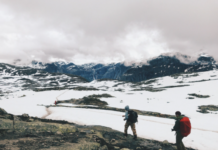
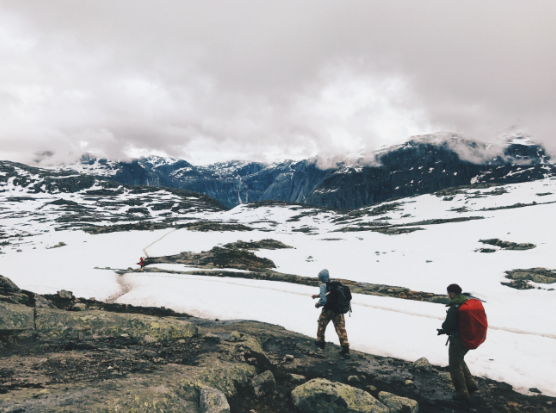
Then there is Nepal. The model here was born from the sheer physical fact of the Himalayas. You cannot bubble wrap a mountain. You cannot timebox Everest. What you can do is build a pathway.
This is the guided trek. It is a humble, brilliant system. It uses local tea houses for shelter, local porters for transport, and local guides for wisdom. The company’s job is not to own the mountain, but to be the trustworthy link between the traveler and the trail.
For almost two decades, a Kathmandu-based trekking company named Glorious Himalaya has been perfecting this link. They are less a tour operator and more a local bridge. Their business is built on a simple promise: we know the path, we know the people, and we will get you there and back safely. Thousands of trekkers have trusted that promise on their way to Base Camp or through the Annapurna Sanctuary. Their role is fundamental. They make the impossible journey manageable. They turn a daunting wilderness into a series of manageable steps, good meals, and safe places to sleep. In Nepal, the best tourism businesses understand they are not selling a destination. They are providing a profound kind of local partnership.
The Real Product
Look at these five models again. Mexico sells predictability. Rwanda sells exclusivity. Alaska sells efficiently. Portugal sells a new home. Nepal sells trusted guidance.
None of them is really selling a place. They are selling a feeling, a solution, a transformed version of the self. The beach, the gorilla, the glacier, the cafe, the mountain peak—these are just the backdrops. The real business of tourism is figuring out what your visitor is truly afraid of, and then quietly, reliably, making that fear go away.