

If you find yourself in the position of needing to sell your junk vehicle quickly, you’re not alone. Many people face the dilemma of dealing with an old, non-functional, or unwanted car. Fortunately, selling your junk vehicle doesn’t have to be a complicated process. This guide will help you navigate the steps involved in making a swift sale, ensuring you can “sell my car fast” with ease. Understanding the Value of Your Junk Car Before diving into the selling process, it’s crucial to understand the value of your junk car. The worth of a vehicle can vary based on its make, model, age, and condition. Junk cars typically have lower value due to their inability to run or their damaged state. However, there are several avenues for determining the price you might expect. Research Online:Websites like Kelley Blue Book or Edmunds can help you get an estimate of your vehicle’s value. Consider Parts Value:If the car is beyond repair, you may still be able to sell it for parts. Research the resale value of individual components, as some parts can fetch a good price. Local Scrap Yards:Many local junkyards will provide quotes based on the weight of your vehicle and the current scrap metal prices. By understanding the value of your junk car, you can set a realistic asking price when you decide to sell my car fast. Preparing Your Vehicle for Sale Once you have a good grasp of your car’s value, it’s time to prepare it for sale. While your junk car may not be in the best condition, taking a few steps can help streamline the process: 1. Gather Documentation Collect all necessary paperwork, including the title, registration, and any maintenance records. Having these documents on hand will facilitate a smoother transaction and reassure potential buyers. 2. Clean the Car Even if your car is in poor condition, giving it a good cleaning can make a positive impression. Remove personal belongings and trash, and if possible, wash the exterior and vacuum the interior. A clean car signals that you have taken care of it, even if it is a junk car. 3. Take Photos High-quality photographs are essential when selling your vehicle. Capture multiple angles, including the exterior, interior, and any damages. Clear pictures will help attract more buyers when you post your ad online or share it with potential junk car buyers. Choosing the Right Selling Method When it comes to Junk car selling, there are several methods you can use. Here are some of the most effective ways to “sell my car fast”: 1. Online Marketplaces Platforms like Craigslist, Facebook Marketplace, and OfferUp allow you to reach a broad audience. Create a compelling listing that highlights the details of your car, including its condition, asking price, and any valuable parts. Remember to include your high-quality photos for maximum impact. 2. Junk Car Buyers Numerous companies specialize in purchasing junk vehicles. These businesses typically offer quick cash for your car and can arrange for free towing. They streamline the process, allowing you to “sell my car fast” without the hassle of negotiating with private buyers. 3. Local Salvage Yards Contact local salvage yards or junkyards to inquire about selling your vehicle directly to them. Many will give you a fair price based on the weight of the metal and any usable parts. This method is particularly advantageous if you’re looking for a quick and hassle-free sale. Finalizing the Sale Once you’ve chosen a method to sell your junk vehicle, it’s time to finalize the sale. Follow these steps to ensure a smooth transaction: 1. Negotiate the Price Whether you’re dealing with an individual buyer or a junk car buyer, be prepared to negotiate. If you’ve done your research and set a fair asking price, you should have a good foundation for negotiations. 2. Complete the Paperwork Ensure that all necessary paperwork is signed and transferred. This includes the vehicle title and any bill of sale required by your state. Proper documentation is vital to protect both parties during the transaction. 3. Arrange for Towing If you’re selling to a junk car buyer or salvage yard, they may handle the towing for you. Confirm the details of the pickup time and location to avoid any misunderstandings. Conclusion Selling a junk vehicle doesn’t have to be a long, drawn-out process. By understanding the value of your car, preparing it for sale, and choosing the right selling method, you can “sell my car fast” and move on to your next vehicle or investment. Whether you decide to sell it online, to a junk car buyer, or a local salvage yard, the key is to be informed and organized. With these tips in mind, you’ll be well on your way to a quick and successful sale.

The Benefits of Custom Screen Printing for Businesses
In today’s world, businesses need creative ways to stand out. One effective method is custom screen printing. This technique allows companies to create unique designs on various materials, from T-shirts to bags. Let’s explore the many benefits of custom screen printing and why it might be the perfect choice for your business. Boost Brand Recognition When people see your logo or brand on clothing or other items, they begin to remember it. Custom screen printing helps you make your brand more visible. The more people see your logo, the more they will recognize your business. This recognition can lead to new customers and loyal supporters. Think about it: when someone wears a shirt with your logo, it acts as a walking advertisement. It can spark conversations and attract new clients. Create a Professional Image Having custom-printed items makes your business look professional. Whether you are attending a trade show or running a local event, wearing or using items with your logo shows you are serious about your brand. This professionalism can build trust with your customers. They will feel more confident buying from a business that takes its image seriously. Custom Screen Printing Services Choosing the right company for custom screen printing services is crucial. Look for a service that understands your vision. They should be able to guide you through the process, from selecting materials to finalizing your design. A good service will offer various options, including different colors, sizes, and styles. This flexibility allows you to create items that perfectly fit your brand. Moreover, a quality service will ensure that your items are durable, so they can withstand wear and tear while looking great. Cost-Effective Marketing Custom screen printing can be a cost-effective way to promote your business. When you buy in bulk, you often save money on each item. This means you can provide your employees with uniforms or create promotional items without breaking the bank. Instead of spending a lot on ads, you can invest in custom-printed merchandise. These items can be given away at events or sold at a low price, spreading the word about your business while keeping your costs low. Connect with Your Audience Custom screen printing can help you connect with your audience on a personal level. By offering items that resonate with your customers, you show that you understand their needs and interests. For example, if your business supports a local sports team, printing team shirts can build a sense of community. People love to wear items that show their support, and they will appreciate your business for promoting their favorite team. Easy to Customize One of the best things about custom screen printing is how easy it is to create unique designs. Whether you want to print a simple logo or a detailed graphic, screen printing can handle it. You can experiment with different colors and styles, allowing your creativity to shine. This flexibility ensures that every item you produce reflects your brand’s personality. Conclusion In summary, custom screen printing offers many benefits for businesses. From boosting brand recognition to creating a professional image, the advantages are clear. When you choose custom screen printing services, you not only get high-quality products but also a way to connect with your audience. It’s an effective marketing tool that can help your business stand out. If you’re looking for a creative and cost-effective way to promote your brand, consider investing in custom screen printing.

Understanding ADHD: A Comprehensive Guide to Diagnosis and Treatment
Attention Deficit Hyperactivity Disorder (ADHD) is one of the most common neurodevelopmental disorders, often beginning in childhood and persisting into adulthood. Characterized by difficulties in maintaining attention, impulsivity, and hyperactivity, ADHD can significantly impact an individual’s academic, professional, and social life. Understanding ADHD’s diagnosis and treatment options is crucial for individuals, families, and professionals seeking to manage the condition effectively. What is ADHD? ADHD is a condition that affects how a person focuses, controls impulses, and manages their energy levels. It manifests in three primary types: predominantly inattentive, predominantly hyperactive-impulsive, and combined presentation. People with ADHD often struggle with staying organized, managing time, following through with tasks, and controlling emotions. These difficulties can lead to problems in various aspects of life, including work, school, and personal relationships. While ADHD is often thought of as a childhood disorder, it’s important to recognize that many individuals continue to experience symptoms into adulthood. The symptoms may evolve as individuals grow older, with impulsivity and hyperactivity becoming less prominent, while inattention and difficulties with executive function persist. The Diagnosis of ADHD The Diagnosis of ADHD is a complex process that involves multiple steps and the input of various professionals. ADHD cannot be diagnosed through a single test. Instead, healthcare providers assess symptoms based on specific criteria outlined in the Diagnostic and Statistical Manual of Mental Disorders (DSM-5). The criteria include a pattern of inattention and/or hyperactivity-impulsivity that has lasted for at least six months and interferes with the individual’s functioning. The process typically begins with an in-depth evaluation, which includes gathering information from multiple sources, such as parents, teachers, or spouses, in addition to the patient themselves. Physicians and mental health professionals will conduct interviews, use questionnaires, and, when necessary, administer behavioral assessments. A thorough review of the patient’s developmental, educational, and medical history is essential to rule out other conditions that might cause similar symptoms, such as learning disabilities, anxiety, or depression. For adults, the diagnosis is often more complicated since symptoms of ADHD may overlap with other adult mental health disorders, such as anxiety, depression, or substance abuse. Adult ADHD diagnosis requires the presence of symptoms that began in childhood and have continued to impact the individual’s life. Treatment Options for ADHD Once ADHD has been diagnosed, a tailored treatment plan can be developed. Treatment typically involves a combination of behavioral interventions, medication, and lifestyle adjustments to manage symptoms and improve quality of life. Medication Stimulant medications, such as methylphenidate (Ritalin) and amphetamines (Adderall), are the most commonly prescribed treatments for ADHD. These medications work by increasing the levels of neurotransmitters, like dopamine and norepinephrine, in the brain, which help improve attention and focus. For some, non-stimulant medications like atomoxetine (Strattera) or certain antidepressants can be effective. Behavioral Therapy Cognitive-behavioral therapy (CBT) is widely used to help individuals with ADHD develop coping strategies, improve time management, and enhance organizational skills. Behavioral interventions focus on modifying problematic behaviors, reinforcing positive behaviors, and teaching social skills. Parents of children with ADHD may also benefit from parent training programs, which provide strategies to manage their child’s behavior effectively. Lifestyle Adjustments Healthy lifestyle choices can complement medication and therapy. Regular physical activity, a balanced diet, and adequate sleep play essential roles in managing ADHD symptoms. Exercise, in particular, has been shown to reduce hyperactivity and improve focus in individuals with ADHD. Creating structured routines and using organizational tools like planners and reminders can also help individuals stay on track with tasks. Support Systems Building a robust support network is crucial for managing ADHD. For children, this may involve close collaboration between parents, teachers, and counselors to create a consistent and supportive environment. For adults, seeking support from family, friends, or ADHD support groups can help manage stress and encourage positive outcomes. The Importance of Early Diagnosis and Intervention An early diagnosis of ADHD can be life-changing. Children who receive a timely diagnosis often benefit from early intervention strategies, which can reduce the long-term impact of ADHD on their academic and social development. Without treatment, ADHD can lead to a host of challenges, including poor school performance, difficulty maintaining relationships, and an increased risk of anxiety and depression. For adults, receiving a diagnosis later in life can explain years of difficulties in various areas and provide a path toward more effective management. While there is no cure for ADHD, early diagnosis and comprehensive treatment can significantly improve an individual’s quality of life. Conclusion Understanding ADHD is essential for managing its symptoms and fostering a supportive environment for those affected. The diagnosis of ADHD requires careful evaluation, and treatment often involves a combination of medication, behavioral therapy, and lifestyle changes. With the right interventions and support, individuals with ADHD can lead successful and fulfilling lives. Whether you are a parent, teacher, or someone living with ADHD, knowing more about the condition empowers you to take the necessary steps toward effective management and improved well-being.
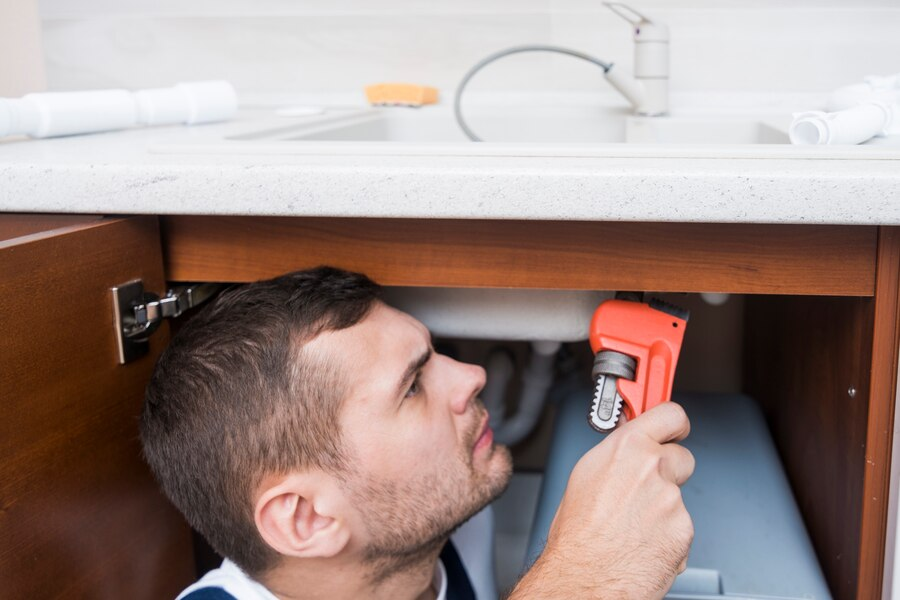
How to Prevent Costly Plumbing Issues in Your Home
A well-maintained plumbing system is essential for a smooth-running household. Homeowners often face plumbing issues that could have been prevented with a little foresight. Here’s how you can avoid these costly problems. Regularly Inspect Your Pipes Check your pipes regularly for leaks. Leaking pipes can cause significant damage if left unchecked. Look for signs like water stains or damp patches on walls and ceilings. Even a small drip can lead to major repairs if not addressed promptly. Know the Location of Your Shut-Off Valve It’s crucial to know where your main water shut-off valve is located. In case of an emergency, you’ll need to turn off the water quickly to prevent extensive damage. Familiarize yourself with its location and test it periodically to ensure it’s working correctly. Schedule Routine Water Heater Maintenance Professional water heater installation services are essential for ensuring your heater operates efficiently. Over time, sediment can build up inside the tank, reducing its efficiency. Schedule regular maintenance with a professional to flush out sediment and check for any potential issues. Watch What You Flush To avoid drain blockages services, be mindful of what you flush down the toilet. Items like wipes, sanitary products, and even paper towels can clog your pipes. Stick to flushing only toilet paper and human waste. Install Drain Covers Use drain covers in sinks and showers to catch hair and debris. This simple step can prevent many drain blockages. Regularly clean these covers to keep your drains flowing freely. Avoid Chemical Drain Cleaners Chemical drain cleaners can be harsh on your pipes. They may provide a quick fix, but they can also cause long-term damage. Instead, opt for natural alternatives or professional drain cleaning services when you face a blockage. Check for Leaks in Appliances Appliances like dishwashers and washing machines are prone to leaks. Inspect the hoses and connections regularly. Replace any worn-out or damaged hoses to prevent leaks that could lead to more significant problems. Maintain Your Sump Pump If your home has a sump pump, regular maintenance is key. Test it periodically to ensure it’s functioning correctly. A well-maintained sump pump can prevent basement flooding and water damage. Insulate Your Pipes During the winter months, pipes can freeze and burst if they’re not properly insulated. Use pipe insulation to keep them warm. This small investment can save you from costly repairs and water damage. Address Slow Drains Promptly If you notice a slow drain, address it immediately. Slow drains can indicate a blockage that may worsen over time. Use a plunger or a plumber’s snake to clear the blockage before it becomes a more serious issue. Inspect Your Water Pressure High water pressure can put a strain on your pipes and fixtures. Use a pressure gauge to check your home’s water pressure. If it’s too high, consider installing a pressure regulator to protect your plumbing system. Hire a Professional for Major Issues While DIY maintenance can save you money, some plumbing issues require professional help. If you’re facing persistent problems or complex issues, don’t hesitate to call in a plumber. Professional water heater installation services and drain blockages services can ensure your system remains in top condition. Maintaining your home’s plumbing system doesn’t have to be a daunting task. With regular inspections, preventive measures, and timely professional help, you can avoid many common plumbing problems. Remember, a little effort today can save you from expensive repairs tomorrow.

Why Quality Gas Products are Essential for Safe and Efficient Operations
In industries ranging from manufacturing to hospitality, gas products play a crucial role in ensuring the safety and efficiency of operations. Whether it’s natural gas for heating, propane for cooking, or industrial gases for manufacturing processes, the quality of gas products significantly impacts both operational effectiveness and safety. This article explores why investing in high-quality gas products is vital for maintaining optimal performance and safety in various applications. The Importance of High-Quality Gas Products Quality gas products are fundamental for several reasons, including: Operational Efficiency: High-quality gas ensures that equipment and machinery operate at peak performance. Impurities or inconsistencies in gas can lead to inefficient combustion, reduced energy output, and increased wear and tear on equipment. For instance, in a commercial kitchen, the use of low-quality propane can result in uneven heating, affecting cooking times and food quality. Safety: Safety is paramount when dealing with gas products. Poor-quality gas can contain contaminants that may cause dangerous situations such as leaks or explosions. High-quality gas, on the other hand, is rigorously tested and purified to prevent such hazards. For example, natural gas with high sulfur content can corrode pipelines and cause dangerous leaks, which is why ensuring the quality of gas is critical for safe operations. Regulatory Compliance: Adherence to industry standards and regulations is essential for legal and operational reasons. Quality gas products are often compliant with stringent regulations, ensuring that businesses meet safety and environmental standards. Non-compliance due to poor-quality gas can result in fines, operational shutdowns, or legal actions. Impact on Different Industries The importance of quality gas products varies across different sectors, each with specific requirements and challenges: Manufacturing: In the manufacturing sector, industrial gases like oxygen, nitrogen, and argon are crucial for processes such as welding, cutting, and chemical reactions. The purity of these gases directly affects the quality of the final product. Contaminants in industrial gases can lead to defects, production delays, and increased costs. High-quality gases ensure consistent product quality and process efficiency. Healthcare: Medical gases, including oxygen and nitrous oxide, are essential for patient care. The quality of these gases must meet rigorous standards to ensure patient safety. Contaminated or substandard medical gases can have severe health implications, making it imperative to use high-quality products in healthcare settings. Energy Sector: Natural gas and propane are widely used in the energy sector for power generation and heating. The efficiency and environmental impact of energy production are heavily influenced by the quality of the gas used. High-quality natural gas burns more efficiently, producing fewer pollutants and reducing the overall environmental footprint. Hospitality: In the hospitality industry, gas is commonly used for cooking and heating. High-quality propane or natural gas ensures consistent performance of cooking appliances and heating systems, contributing to better service quality and operational efficiency. Inconsistent or poor-quality gas can lead to unreliable equipment performance, affecting customer satisfaction. Benefits of Investing in Quality Gas Products Investing in high-quality gas products offers several key benefits: Enhanced Equipment Longevity: Quality gas reduces the risk of corrosion and wear on equipment, extending its operational life. This leads to lower maintenance and replacement costs over time. Improved Energy Efficiency: High-quality gas burns more efficiently, leading to better energy utilization and cost savings. For businesses, this translates into reduced energy expenses and improved overall profitability. Increased Safety: Quality gas products are less likely to contain harmful contaminants or impurities, reducing the risk of hazardous incidents. Ensuring safety in operations helps protect personnel, equipment, and facilities. Regulatory Assurance: Using high-quality gas products helps businesses comply with industry regulations and standards, avoiding potential legal issues and ensuring smooth operations. Conclusion The significance of quality gas products cannot be overstated. From ensuring operational efficiency and safety to meeting regulatory requirements, the impact of using high-quality gas extends across various industries. By investing in quality gas products, businesses can enhance equipment longevity, improve energy efficiency, and maintain a safe working environment. For optimal performance and peace of mind, prioritizing the quality of gas products is essential for any operation relying on gas for its daily functions.

Why do You Need Car Accident Law Services by Professionals?
Accidents happen when we least expect them, especially on the road. Whether it’s a minor fender-bender or a major collision, dealing with the aftermath can be overwhelming. That’s where car accident law services come into play, offering crucial support and expertise to help you navigate through the complexities of legal proceedings. Understanding Car Accident Law Services Many car accident law services encompass legal assistance specifically tailored to those involved in motor vehicle accidents. These services are provided by specialized lawyers who understand the intricacies of traffic laws, insurance claims, and personal injury cases related to car accidents. Their primary goal is to advocate for your rights and help you obtain compensation for medical bills, vehicle repairs, lost wages, and other damages resulting from the accident. The Importance of Hiring a Car Accident Lawyer Immediately after a car accident, emotions are running high and decisions need to be made quickly. Hiring a car accident lawyer can alleviate much of the stress associated with the aftermath. These professionals offer initial consultations at no cost, allowing you to discuss your case and understand your legal options without financial risk. They assess the details of the accident, gather evidence, negotiate with insurance companies on your behalf, and ensure that your rights are protected throughout the process. Steps Involved in Seeking Car Accident Law Services Seeking car accident law services involves several important steps to ensure you receive the assistance you need: Meet with a car accident lawyer to discuss the details of your accident and understand how they can help. The lawyer will evaluate the strength of your case and outline potential outcomes. Once hired, your lawyer will handle all communications with insurance companies and other parties involved in the accident. Your lawyer will negotiate for a fair settlement that compensates you adequately for your losses. If a fair settlement cannot be reached, your lawyer will prepare your case for trial and advocate for you in court. How Car Accident Lawyers Ensure Fair Compensation Car accident lawyers are adept at calculating the true cost of your accident. Beyond immediate medical bills and vehicle repairs, they consider future medical expenses, lost earning potential, pain and suffering, and other intangible losses. This comprehensive approach ensures that the compensation you receive reflects the full impact of the accident on your life, both now and in the future. The Role of Wage and Hour Class Action Defense Attorneys In workplaces, disputes over wages and hours can arise, affecting numerous employees simultaneously. A wage and hour class action defense attorney specializes in handling these complex legal cases. They represent employers facing allegations of wage violations, such as unpaid overtime, improper classification of employees, or failure to provide meal and rest breaks. These attorneys work to protect their clients’ interests and ensure compliance with labor laws, minimizing financial risks and reputational damage for businesses. Protecting Employer Rights and Compliance Employers often face significant legal challenges when confronted with wage and hour class action lawsuits. These lawsuits can be costly and time-consuming, potentially leading to substantial financial penalties and damages if not handled properly. Wage and hour class action defense attorneys provide strategic guidance and vigorous defense to protect their clients from unfair accusations and ensure compliance with employment laws. By partnering with experienced attorneys, employers can navigate these complex legal matters with confidence and minimize disruption to their operations.

How to Select BMW Parts After a Heavy Accident?
Experiencing a heavy accident in your BMW can be stressful and overwhelming. When it comes to replacing damaged parts, choosing the right bmw parts is crucial for restoring your vehicle’s safety, performance, and aesthetic appeal. Assessing the Damage The first step after a heavy accident is to thoroughly assess the damage to your BMW. Identify which parts are damaged or need replacement, including both visible exterior components and internal mechanical parts. Properly assessing the damage allows you to create a comprehensive list of parts that need replacement. This helps in effectively planning and budgeting for the repair process. Prioritizing Safety Components Safety should be your top priority when selecting BMW parts after an accident. Focus on replacing critical safety components such as airbags, seat belts, braking systems, and structural components. Safety components are designed to protect you in case of another accident. Ensure you choose genuine BMW parts that meet the manufacturer’s safety standards for optimal protection. Choosing Genuine BMW Parts Opting for genuine BMW parts is essential for maintaining the performance, reliability, and resale value of your vehicle. Genuine parts are designed specifically for BMW vehicles and undergo rigorous testing to ensure quality and compatibility. Genuine BMW parts offer superior fitment and performance compared to aftermarket alternatives. They are backed by BMW’s warranty, providing assurance of quality and reliability. Compatibility with Your BMW Model BMW vehicles come in various models and configurations, each with specific requirements for parts compatibility. When selecting parts, ensure they are compatible with your BMW model year, series, and trim level. Choosing compatible parts ensures they integrate seamlessly with your BMW’s existing systems, preventing issues like fitment problems or functionality issues. Considering Performance Upgrades After an accident, you may have the opportunity to upgrade certain components for improved performance or aesthetic appeal. Performance upgrades like an auto front disc brake conversion kit or sport suspension systems can enhance your BMW’s driving dynamics. Upgrading certain components allows you to customize your BMW according to your preferences and driving style. Ensure any upgrades are compatible with your BMW model and are installed correctly to maximize performance benefits. Consulting with BMW Specialists Seeking advice from BMW specialists or certified technicians can provide valuable insights into selecting the right parts after an accident. They can recommend suitable replacements, offer guidance on installation procedures, and ensure all repairs meet BMW’s standards. BMW specialists have extensive knowledge and experience working with BMW vehicles. Their expertise ensures that repairs are performed correctly and that your BMW maintains its performance and safety standards. Conclusion Selecting BMW parts after a heavy accident requires careful consideration and attention to detail. Prioritize safety components and opt for genuine BMW parts to ensure your vehicle’s safety, performance, and longevity. Compatibility with your BMW model is essential to avoid complications during installation and operation. Consider upgrading certain components for enhanced performance or aesthetics, but always ensure compatibility and proper installation. Consulting with BMW specialists can provide valuable guidance throughout the repair process, ensuring your BMW is restored to its pre-accident condition. By following these guidelines and choosing quality BMW parts, you can confidently repair and restore your BMW after a heavy accident, ensuring it continues to provide a safe and enjoyable driving experience for years to come.

Essential Tips to Create a Warm and Cozy Home for Winter
When the temperature reduces and the days become shorter, there is nothing comparable to the feelings you get while coming home to a lovely warm, and safe refuge to avoid winter chill. In winter creating a warm and cozy home is not about having a thermostat turned up. Instead, it is about embracing the natural warmth, cozy background, and ambiance to form a welcoming retreat from the cold. Here in this article, we have explored a few tricks to have a cozy home in winter. Without further ado, let’s dive deep into the details. 1.Utilize Natural Warm Sunlight Enhanced natural lighting is the hallmark of winter interior designing, as it allows your house to have a cozy atmosphere. Opening curtains and blinds during the daytime, and installing skylight windows, are a few ways to let the sunlight seep into your living room areas. To enjoy your time, settle in front of the window with a cup of tea and a good book. With skylight windows, you can increase the flow of natural light, especially in those areas that lack light the most. 2.Embrace the Comforting Glow of a Fireplace The only sound that can bring the smoky smell, inviting warmth and coziness on the chilly days, is the crackling of fire in the fireplace. A fireplace in your house, be it a wooden fireplace, gas fireplace, or an electrical one, helps differentiate interiors from those without one. Hence, you should arrange the furniture in your living room so that it features a comfortable seating area around the fireplace. Upgrade the venue by adding rugs and linen in soft designs along with a couple of cushioned chairs that can allow you to sit by the fire with a book or interact with your family. 3.Layer Soft Textures and Warm Fabrics To deliberately form a cozy atmosphere in your house, you may want to add soft textures and warm materials to your space. You can consider adding rugs, fluffy blankets, and fabrics. It all creates a peaceful and cozy atmosphere indoors to mimic the surrounding nature. You can also include silky and fluffy cushions, pillows, and sheets in wool, fleece, or velvet materials to add a warm look and avoid dullness. Using diverse soft textures and warm materials, you can form a nest-like space where you can relax and unwind during the cold winter months. 4.Create Intimate Lighting Warm, soft, and cozy lighting is also important for the creation of a home atmosphere to deal with the winter season. You can create softness by distributing candles and lamps in different parts of your living spaces. Scatter candles above coffee tables, mantels, and shelves in clusters to create a relaxing, soft, flickering glow that everyone adores and almost instantly transforms the cozy mood. With candles and lamps, you can achieve a romantic, soft, and subtle lightening in your house, where you can hide and hibernate during the cold winter months.